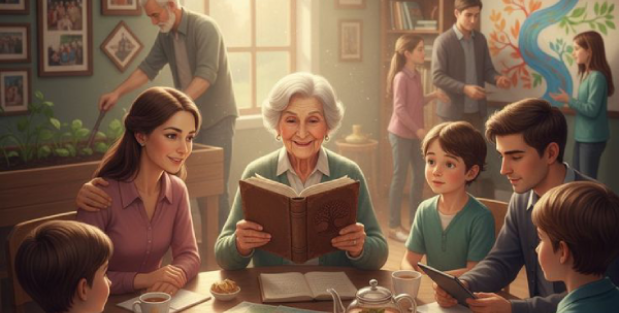
In many African societies, especially across East Africa, elders hold a special and respected place in the community. They are more than just senior members—they are custodians of culture, history, and wisdom. Through their knowledge and experience, elders play a vital role in preserving traditions and passing them on to future generations.
Who Are elders in traditional society?
Elders are typically older, respected members of the community who have gained wisdom through life experience. Their role is not just based on age, but also on knowledge, character, and leadership.
They are often seen as:
- Advisors and decision-makers
- Keepers of history and oral traditions
- Moral guides within the community
Guardians of oral history
Before written records became common, history was passed down orally—and elders were at the center of this process.
What they preserve
- Stories of ancestors and origins
- Historical events and community milestones
- Folktales, myths, and legends
Through storytelling, elders ensure that cultural identity and heritage are not lost.
Teachers of cultural values
Elders play a key role in educating younger generations about acceptable behavior and cultural norms.
They teach:
- Respect for others
- Community responsibility
- Moral values and ethics
- Social roles and expectations
This guidance helps maintain order and unity within the community.
Leaders in traditional ceremonies
Elders often lead and oversee important cultural ceremonies such as:
- Initiation rites
- Marriage ceremonies
- Naming ceremonies
- Conflict resolution rituals
Their presence ensures that traditions are performed correctly and meaningfully.
Conflict resolution and decision-making
In many communities, elders serve as mediators and judges in disputes.
Their role includes
- Resolving family and community conflicts
- Offering fair and wise judgments
- Maintaining peace and harmony
Their decisions are respected because of their experience and impartiality.
Protectors of cultural practices
Elders ensure that traditions are preserved even as society changes.
They help:
- Maintain traditional languages
- Safeguard customs and rituals
- Pass down skills such as farming, craftsmanship, and healing practices
Without elders, many of these practices risk being forgotten.
Challenges in the modern world
As society modernizes, the role of elders is changing.
Key challenges
- Urbanization and migration separating families
- Influence of Western culture and modern lifestyles
- Reduced interest among youth in traditional practices
- Decline of oral traditions
Despite these challenges, elders remain an important link to cultural heritage.
The importance of bridging generations
To preserve traditions effectively, there must be a connection between elders and younger generations.
This can be achieved through:
- Community programs and cultural events
- Education that includes cultural heritage
- Encouraging storytelling and mentorship
- Using technology to document traditions