
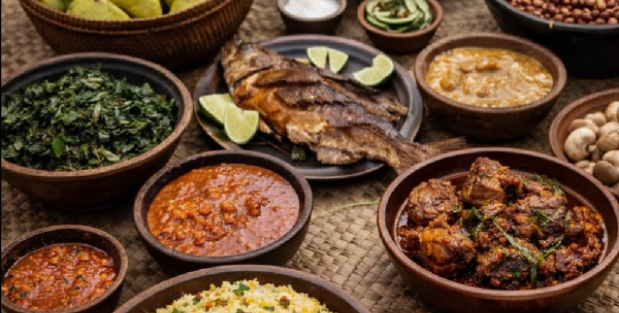
Food is more than nourishment, it is a powerful expression of culture, identity, and tradition. In Kenya and across East Africa, local cuisine offers a rich and immersive way to experience the heritage of different communities. Every dish tells a story about history, environment, and the people who prepare it.
For travelers and locals alike, exploring cuisine is one of the most authentic ways to connect with culture.
Why food is a cultural experience
Cuisine reflects:
- Local ingredients and environment
- Traditional cooking methods
- Cultural values and social practices
- Historical influences and trade
In many Kenyan communities, food is deeply tied to family, celebrations, and identity.
Popular traditional dishes in Kenya
- Ugali – the staple dish
Ugali is one of the most common foods in Kenya.
What makes it special:
- Made from maize flour and water
- Served with vegetables, meat, or fish
- Eaten by hand, often shared communally
It represents unity and is a daily staple in many households.
- Nyama Choma – a social experience
Nyama choma (grilled meat) is more than a meal—it’s a social event.
Highlights:
- Typically goat or beef, slow-roasted over open fire
- Shared among friends and family
- Often accompanied by kachumbari (fresh tomato and onion salad)
It reflects Kenya’s love for community and celebration.
- Coastal swahili dishes
The Kenyan coast offers flavorful cuisine influenced by centuries of trade.
Popular dishes include:
- Biryani and pilau
- Coconut-based fish and curries
- Chapati and mandazi
Spices and coconut milk give these dishes a rich and distinct taste.
- Githeri – a Traditional favorite
Githeri is a nutritious dish common among central Kenyan communities.
Key features:
- Made from boiled maize and beans
- Simple yet filling
- Often prepared in large quantities for families
It represents resourcefulness and traditional farming practices.
- Sukuma Wiki – everyday greens
Sukuma wiki (collard greens) is a common vegetable dish.
Why it matters:
- Affordable and widely available
- Cooked with onions, tomatoes, and sometimes meat
- A daily accompaniment to ugali
Its name means “push the week,” symbolizing its role in sustaining families.
Food and cultural traditions
Food plays a key role in:
- Ceremonies (weddings, initiations, festivals)
- Hospitality (welcoming guests with meals)
- Community bonding (shared eating experiences)
Different occasions call for specific dishes, each with cultural meaning.
Street food and everyday culture
Street food is an essential part of urban Kenyan life.
Common options include:
- Roasted maize
- Samosas
- Mutura (African sausage)
- Chips (fries)
These foods offer a quick and affordable way to experience local flavors.
The role of local ingredients
Kenyan cuisine relies heavily on locally sourced ingredients such as:
- Maize, beans, and millet
- Fresh vegetables and fruits
- Meat and fish
- Spices and herbs (especially on the coast)
This connection to the land reinforces cultural identity and sustainability.
Cuisine and tourism
Food has become a major attraction for tourists visiting Kenya.
Culinary experiences include:
- Food tours and cooking classes
- Dining in traditional homes
- Exploring local markets
- Sampling regional specialties
These experiences allow visitors to engage deeply with Kenyan culture.
Modern influence on local cuisine
Urbanization and globalization have influenced Kenyan food culture:
- Fusion of traditional and international cuisines
- Growth of modern restaurants and cafes
- Increased popularity of fast food
Despite this, traditional dishes remain central to Kenyan identity.