Across East Africa and the wider world, cultures have preserved their history not only through written records, but also through art and artifacts. These creative expressions tell powerful stories about identity, beliefs, daily life, and historical events.
What is cultural storytelling through art?
Cultural storytelling through art refers to the way communities use creative objects and visual expression to pass down knowledge, traditions, and history from one generation to another.
Instead of books, many societies relied on:
- Symbols and carvings
- Paintings and drawings
- Musical instruments
- Ceremonial objects
- Handcrafted tools and clothing
Each piece carries meaning beyond its physical form.
Types of cultural art and artifacts
- Traditional crafts and carvings
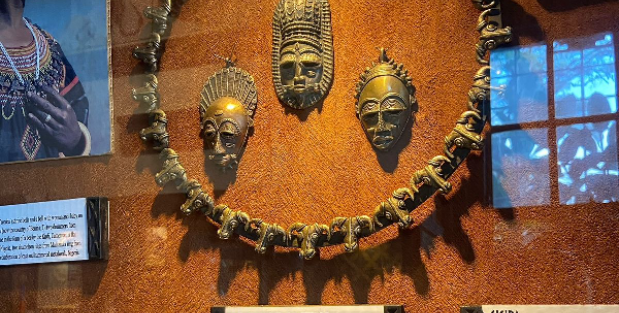
These include wooden sculptures, masks, and household items made by skilled artisans.
They often represent:
- Ancestors and spirits
- Leadership and authority
- Social roles and identity
Carvings were not just decorative—they were symbolic communication tools.
- Pottery and ceramics
Clay pots and vessels were widely used in daily life and rituals.
They were used for:
- Storing food and water
- Cooking and preservation
- Ceremonial offerings
Patterns and shapes often indicated cultural identity or status.
- Beadwork and jewelry
Beads are an important form of cultural expression, especially among communities like the Maasai and Samburu.
They communicate:
- Age and social status
- Marital status
- Beauty and cultural pride
Each color and pattern carries specific meaning.
- Rock art and cave paintings
Ancient rock paintings found in parts of East Africa show early human life.
They often depict:
- Hunting scenes
- Animals and wildlife
- Spiritual symbols and rituals
These are some of the earliest forms of storytelling in human history.
- Musical instruments
Traditional instruments also serve as storytelling tools.
Examples include:
- Drums used in ceremonies and communication
- String instruments for oral storytelling
- Horns and flutes used in rituals
Music helps preserve oral history and cultural memory.
Why art and artifacts matter in culture
Cultural art is more than decoration—it plays a vital role in society:
- Preserves history without written language
- Strengthens community identity
- Passes traditions to younger generations
- Reflects beliefs, values, and social structure
Through art, cultures remain alive and continuously evolving.
Museums and preservation
Today, many cultural artifacts are preserved in museums and cultural centers across East Africa.
These institutions help:
- Protect historical objects
- Educate the public
- Promote cultural tourism
- Preserve endangered traditions
However, many artifacts still remain in private collections or abroad, making preservation an ongoing challenge.
Modern influence on cultural art
Contemporary artists are blending traditional storytelling with modern techniques:
- Digital art inspired by cultural symbols
- Fashion influenced by tribal patterns
- Contemporary sculpture and painting
- Fusion of traditional and modern music
This ensures that cultural storytelling remains relevant today.