
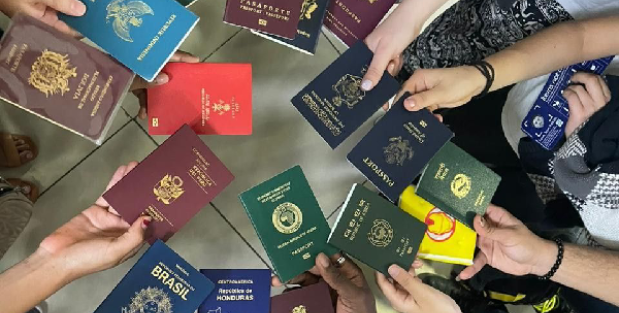
Travel is one of the most powerful ways to connect people from different backgrounds. Beyond sightseeing, it creates opportunities for intercultural exchange—the sharing of ideas, traditions, values, and lifestyles between visitors and local communities.
In a culturally diverse country like Kenya, travel becomes a bridge that brings the world together while celebrating unique identities.
What is Intercultural Exchange?
Intercultural exchange refers to the interaction between people from different cultures, leading to mutual understanding and learning.
Through travel, this happens when:
- Tourists engage with local communities
- Cultural practices are shared and experienced
- Conversations and relationships are formed
It’s a two-way process where both visitors and hosts learn from each other.
How travel promotes cultural exchange
- Experiencing local traditions
Travel allows visitors to participate in:
- Traditional dances and ceremonies
- Cultural festivals and events
- Daily community activities
These experiences provide deeper insight into local ways of life.
- Language and communication
Even simple interactions can lead to cultural exchange.
Travelers often:
- Learn basic local phrases
- Understand different communication styles
- Appreciate linguistic diversity
Language becomes a gateway to culture.
- Sharing food and cuisine
Food is a universal connector.
Through travel:
- Visitors taste traditional dishes
- Locals share cooking techniques and recipes
- Cultural stories behind meals are exchanged
Cuisine helps people connect beyond words.
- Art, Music, and Craft
Creative expression plays a key role in intercultural exchange.
Tourists can:
- Explore local art and crafts
- Listen to traditional music
- Learn about cultural symbolism
These experiences highlight creativity across cultures.
Benefits of Intercultural Exchange
- Promotes understanding and tolerance
Exposure to different cultures helps break stereotypes and build respect.
- Strengthens global connections
People develop relationships that go beyond borders.
- Preserves cultural heritage
Interest from visitors encourages communities to maintain traditions.
- Supports local economies
Cultural experiences create income for communities and artisans.
Challenges of intercultural exchange
While beneficial, intercultural exchange can also face challenges:
- Misunderstandings due to cultural differences
- Language barriers
- Risk of cultural insensitivity
- Over-commercialization of traditions
Respect and awareness are essential to overcoming these issues.
Responsible Travel and Cultural Respect
To ensure positive intercultural exchange, travelers should:
- Respect local customs and traditions
- Dress appropriately where required
- Ask permission before taking photos
- Be open-minded and willing to learn
Responsible behavior enhances meaningful cultural interactions.
The role of technology in cultural exchange
Modern technology has expanded intercultural exchange:
- Social media sharing travel experiences
- Virtual tours and online cultural content
- Digital communication connecting people globally
However, real-life experiences remain unmatched in depth and authenticity.
Intercultural exchange in Kenya
Kenya offers rich opportunities for cultural interaction:
- Visiting traditional villages
- Attending cultural festivals
- Exploring diverse communities across regions
Travelers can experience a blend of modern life and deep-rooted traditions.