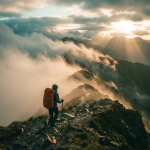
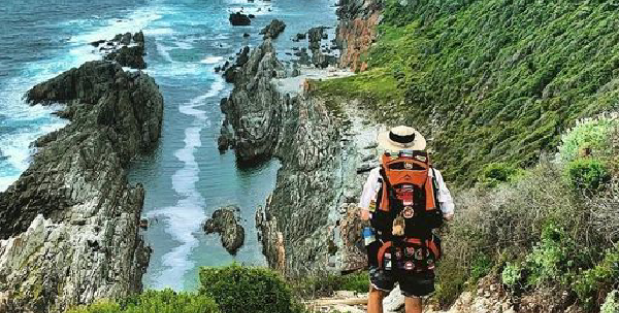
East Africa’s hiking trails ranging from Kenya’s scenic highlands to Uganda’s forests and Tanzania’s mountains are some of the most beautiful in the world. However, increased tourism and outdoor activity can put pressure on these natural environments.
Practicing responsible hiking and supporting trail conservation ensures that these landscapes remain protected for future generations.
What is trail conservation?
Trail conservation involves protecting and maintaining hiking paths and surrounding ecosystems. It focuses on minimizing environmental impact while promoting sustainable tourism.
This includes:
- Preserving natural habitats
- Preventing soil erosion
- Protecting wildlife
- Maintaining clean and safe trails
Conservation is not just the responsibility of park authorities—it starts with every hiker.
Why responsible hiking matters
Responsible hiking helps:
- Protect fragile ecosystems
- Preserve biodiversity
- Maintain the natural beauty of trails
- Support sustainable tourism in local communities
Even small actions can have a big impact on the environment.
Key responsible hiking practices
- Follow the “leave no trace” principle
The golden rule of hiking is simple: leave the trail exactly as you found it.
- Carry out all your trash
- Avoid picking plants or disturbing nature
- Leave rocks, flowers, and natural features untouched
- Stick to marked trails
Walking off designated paths can damage vegetation and cause soil erosion.
- Follow established trails
- Avoid creating shortcuts
- Respect restricted areas
- Respect wildlife
Wildlife is a key part of East Africa’s ecosystems.
- Observe animals from a distance
- Never feed wildlife
- Avoid making loud noises or sudden movements
Respecting animals ensures their safety and yours.
- Minimize campfire impact
If campfires are allowed:
- Use designated fire areas
- Keep fires small
- Fully extinguish them before leaving
In many areas, it’s safer to avoid fires altogether and use portable cooking equipment.
- Reduce plastic use
Plastic waste is a major environmental issue.
- Carry reusable water bottles
- Avoid single-use plastics
- Pack eco-friendly supplies
- Support local communities
Responsible hiking also includes social impact.
- Hire local guides
- Support community-run camps or lodges
- Buy from local businesses
This helps promote sustainable tourism and benefits local economies.
- Travel in small groups
Large groups can cause more environmental damage.
- Keep your group size manageable
- Reduce noise and disruption
- Spread out on trails when necessary
Common environmental challenges in East Africa
Hiking trails in the region face several threats:
- Soil erosion due to overuse
- Littering and pollution
- Habitat destruction
- Climate change effects
Being mindful of these challenges helps hikers make better choices.