East Africa is rich in heritage, blending ancient civilizations, colonial history, and vibrant living cultures. From archaeological sites to historic towns and traditional communities, the region offers travelers a deep dive into its unique past and cultural identity.
Visiting heritage destinations allows travelers to experience history firsthand, connect with local communities, and understand the stories that shaped the region.
Ancient ruins and archaeological sites
East Africa is home to some of the world’s oldest human settlements. Key sites include:
Olduvai Gorge (Tanzania) – Often called the “Cradle of Mankind,” it offers insight into early human evolution.
Gede Ruins (Kenya) – Swahili coastal town ruins reflecting trade with Arabia and Asia.
Kilwa Kisiwani (Tanzania) – Historic city-state on the Indian Ocean coast with UNESCO recognition.
These sites reveal ancient civilizations, trade networks, and early human innovation.
Colonial-era heritage sites
Colonial history shaped much of East Africa’s modern identity. Notable destinations include:
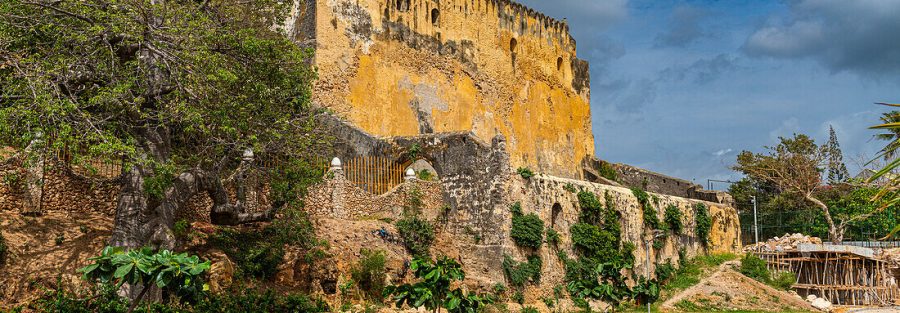
Fort Jesus (Mombasa, Kenya) – A 16th-century Portuguese fort symbolizing coastal defense and colonial rivalry.
Kisumu Railway Station (Kenya) – A testament to the British colonial railway expansion.
Bagamoyo (Tanzania) – Former slave trade port and cultural hub with colonial-era architecture.
These locations offer insights into historical struggles, resistance, and adaptation.
Living cultural communities
East Africa’s heritage is not only in ruins and buildings but also in the traditions of its people. Communities offering authentic experiences include:
Maasai villages (Kenya and Tanzania) – Traditional pastoral life, beadwork, and ceremonies.
Chagga communities (Tanzania) – Agricultural traditions on the slopes of Mount Kilimanjaro.
Swahili coastal towns (Kenya and Tanzania) – Rich trading heritage, architecture, and local cuisine.
Visitors engage with living traditions, ensuring cultural preservation and meaningful interaction.
Museums and cultural centers
Museums complement heritage sites by preserving artifacts and educating visitors:
National Museums of Kenya – Offers archaeology, ethnography, and historical exhibits.
Dar es Salaam National Museum (Tanzania) – Focuses on cultural history and independence movements.
Fort Jesus Museum (Mombasa, Kenya) – Combines archaeology and maritime history.
These institutions contextualize heritage and make history accessible.
Planning a heritage tour
A well-rounded heritage tour combines archaeological sites, colonial landmarks, and living culture experiences. Slow travel allows for meaningful interactions, storytelling, and deep understanding of each destination.
Guided tours by local experts enhance the experience, offering insider perspectives and authentic narratives.
Heritage tours with Jestar Travel
Jestar Travel curates heritage-focused itineraries across East Africa, blending archaeological, colonial, and living cultural experiences. Each tour is designed to educate, inspire, and support local communities.
Through these tours, travelers explore East Africa’s rich past while contributing to cultural preservation and community empowerment.