Travelers play an increasingly important role in wildlife conservation. Through responsible choices, ethical travel behavior, and conscious spending, visitors can directly contribute to the protection of wildlife and natural ecosystems.
Modern tourism has the power to either harm or help wildlife—and travelers are key to ensuring it makes a positive impact.
Supporting conservation through responsible tourism
When travelers choose conservation-focused tours, eco-lodges, and ethical safari operators, part of their travel spending goes directly toward wildlife protection.
Entrance fees, park permits, and guided tour costs often fund anti-poaching efforts, habitat restoration, and wildlife research.
Choosing ethical wildlife experiences
Travelers influence conservation by avoiding attractions that exploit animals, such as wildlife selfies, illegal animal shows, or captivity-based entertainment.
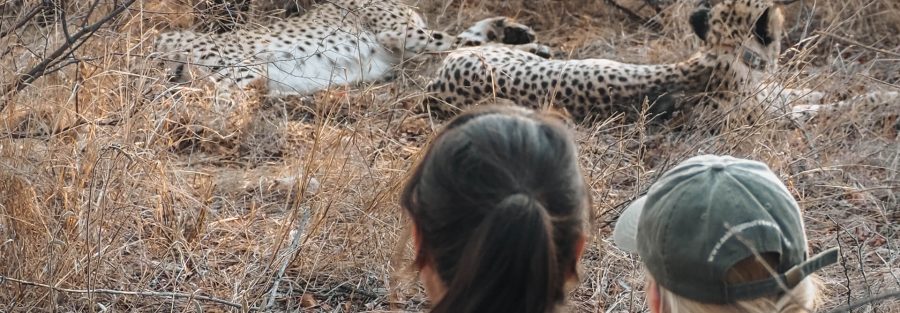
Ethical wildlife tourism focuses on observing animals in their natural habitats without disturbing their behavior or environment.
Funding conservation initiatives
Tourism revenue is a major source of funding for many conservation programs in Africa. Travelers help sustain:
National parks and reserves
Wildlife conservancies
Marine protected areas
Community conservation projects
Without tourism, many of these conservation efforts would struggle financially.
Supporting community-based conservation
Local communities are essential partners in wildlife conservation. When travelers support community-led tourism initiatives, they help create alternative livelihoods linked to protecting wildlife.
This reduces dependence on activities like poaching, deforestation, or illegal wildlife trade.
Raising awareness and education
Travelers gain firsthand knowledge about wildlife challenges such as habitat loss, climate change, and human-wildlife conflict.
By sharing these experiences and stories responsibly, travelers help raise global awareness and support for conservation causes.
Respecting wildlife and natural habitats
Simple actions by travelers can have a big impact, including:
Keeping a safe distance from wildlife
Following park rules and guide instructions
Avoiding littering and plastic waste
Staying on designated trails
Respectful behavior helps minimize stress and disruption to animals.
Supporting conservation jobs
Wildlife tourism creates employment for rangers, guides, trackers, researchers, and conservation officers.
By traveling responsibly, visitors help sustain conservation-related jobs that protect wildlife on the ground every day.
Encouraging sustainable travel practices
Travelers who choose low-impact transport, eco-friendly accommodation, and small-group tours help reduce environmental pressure on wildlife habitats.
Sustainable travel choices protect ecosystems that animals depend on for survival.
Wildlife conservation travel with Jestar Travel
Jestar Travel designs wildlife experiences that prioritize conservation, ethical encounters, and community involvement.
By partnering with conservation organizations and local experts, Jestar Travel ensures travelers contribute positively to wildlife protection while enjoying authentic nature experiences.