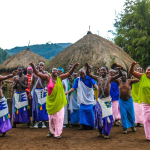

Traveling is one of the most immersive ways to learn a new language. By interacting with locals, navigating daily life, and participating in cultural activities, travelers gain practical language skills that go beyond textbooks. In East Africa, learning languages like Swahili, Maasai, or Luganda can enrich your journey, deepen cultural understanding, and create meaningful connections.
1. Swahili – East Africa’s Lingua Franca
Swahili, widely spoken in Kenya, Tanzania, and parts of Uganda, is an essential language for travelers in the region. Engaging with street vendors, guides, or local families helps you pick up greetings, common phrases, and conversational skills quickly. Using Swahili while ordering food, asking for directions, or bargaining at markets turns language practice into a daily adventure.
2. Learning Through Cultural Immersion
Staying with local families, joining community projects, or participating in cultural events allows travelers to practice language skills in real-life situations. For example, spending time in a Maasai village in Kenya or visiting a local Ugandan school provides opportunities to learn traditional words and phrases while understanding cultural context.
3. Language and Travel Activities
Certain activities naturally promote language learning. Guided tours, cooking classes, and volunteer programs encourage interaction with native speakers. By asking questions, following instructions, and engaging in conversations, travelers can pick up vocabulary, pronunciation, and idiomatic expressions faster than in a classroom.
4. Digital Tools and Local Practice
While immersion is key, combining travel with digital language tools can accelerate learning. Apps, phrasebooks, and translation tools help travelers understand and practice new words, while daily interactions reinforce them. Using local languages in real situations enhances retention and builds confidence.
Understanding the Experience
Learning local languages through travel transforms your journey from sightseeing into cultural exploration. By actively engaging with communities, practicing conversational skills, and embracing local communication styles, travelers gain not only language proficiency but also a deeper appreciation for East Africa’s rich cultural tapestry.