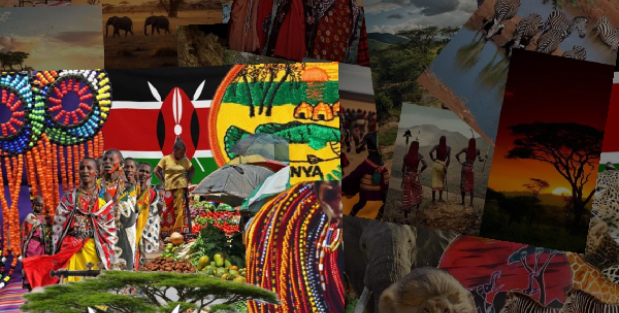
Kenya is globally known for its breathtaking landscapes and wildlife, but beyond safaris lies a rich and diverse cultural identity that plays a vital role in shaping the country’s tourism industry. With over 40 ethnic communities, Kenya offers visitors a unique opportunity to experience traditions, languages, art, and lifestyles that have been preserved and adapted over generations.
In modern Kenya, cultural identity is not only a source of pride but also a powerful driver of tourism.
Understanding cultural identity in Kenya
Cultural identity refers to the shared traditions, values, beliefs, and practices that define a group of people.
In Kenya, this includes:
- Language and dialects
- Traditional clothing and adornments
- Music, dance, and storytelling
- Food and cuisine
- Rituals and ceremonies
Each community contributes to the country’s rich cultural mosaic, making Kenya a vibrant cultural destination.
The link between culture and tourism
Tourism in Kenya has evolved beyond wildlife safaris to include cultural tourism, where visitors actively engage with local traditions and lifestyles.
Popular cultural tourism experiences
- Visiting traditional villages and homesteads
- Participating in cultural festivals and dances
- Exploring historical sites and museums
- Experiencing local cuisine and crafts
These experiences allow tourists to connect more deeply with Kenyan society.
Key cultural attractions in Kenya
- Maasai cultural experiences
The Maasai are one of Kenya’s most recognized communities globally.
Visitors can:
- Visit Maasai villages (manyattas)
- Learn about beadwork and traditional attire
- Watch traditional dances and ceremonies
These experiences provide insight into a semi-nomadic lifestyle that has remained largely intact.
- Coastal swahili culture
The Kenyan coast offers a unique blend of African, Arab, and Persian influences.
Highlights include:
- Historic architecture and old towns
- Swahili cuisine rich in spices and seafood
- Cultural festivals and dhow sailing experiences
This region reflects centuries of trade and cultural exchange.
- Cultural festivals and events
Kenya hosts numerous festivals that celebrate its diversity.
Examples include:
- Lamu Cultural Festival
- Lake Turkana Festival
- Maralal Camel Derby
These events attract both local and international tourists while promoting unity and cultural pride.
- Museums and heritage sites
Museums and historical sites help preserve and showcase Kenyan culture.
Visitors can explore:
- Artifacts and traditional tools
- Historical exhibitions
- Cultural galleries
These spaces provide educational insights into Kenya’s past and present.
Economic impact of cultural tourism
Cultural tourism contributes significantly to Kenya’s economy by:
- Creating jobs in local communities
- Supporting artisans and craftspeople
- Promoting small businesses and local markets
- Encouraging infrastructure development
It also helps distribute tourism benefits beyond major cities and parks.
Challenges facing cultural tourism
Despite its benefits, cultural tourism in Kenya faces several challenges:
- Commercialization of culture – traditions may be altered for tourist appeal
- Loss of authenticity due to modernization
- Cultural exploitation without fair compensation to communities
- Declining interest among younger generations
Balancing tourism and cultural preservation remains a key concern.
Promoting sustainable cultural tourism
To protect cultural identity while benefiting from tourism, Kenya is embracing sustainable practices:
- Community-led tourism initiatives
- Fair compensation for cultural experiences
- Preservation of traditions and languages
- Responsible tourism education for visitors
Sustainable tourism ensures that culture is respected, not exploited.
The role of technology and media
Modern platforms are helping promote Kenyan culture globally:
- Social media showcasing traditions and travel experiences
- Digital storytelling and virtual tours
- Online marketplaces for traditional crafts
This has expanded Kenya’s cultural reach to a global audience.