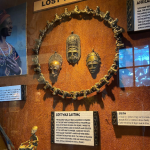

The East African coast is home to some of the most fascinating ancient civilizations in Africa. Stretching from Somalia through Kenya and Tanzania to Mozambique, this region developed vibrant coastal societies shaped by trade, culture, and interaction with the wider Indian Ocean world.
These civilizations were not isolated—they were part of a global network connecting Africa, Arabia, India, and even China.
What were the coastal civilizations?
Ancient coastal civilizations in East Africa were mainly Swahili city-states that flourished between the 8th and 16th centuries. They included cities such as:
- Mombasa
- Lamu
- Kilwa (in present-day Tanzania)
- Malindi
- Pate Island settlements
These cities were wealthy trading hubs built along the Indian Ocean coast.
The rise of Swahili culture
Swahili civilization developed through a blend of African Bantu communities and foreign traders from Arabia, Persia, and India.
Key features of Swahili culture
- The Swahili language (a mix of Bantu and Arabic influences)
- Islamic religion introduced through trade
- Stone architecture using coral and limestone
- Strong maritime trading networks
This cultural fusion created a unique identity that still exists today.
Trade and economic power
Trade was the backbone of coastal civilizations.
What they traded
- Gold from inland Africa
- Ivory and animal skins
- Iron tools
- Spices, textiles, and porcelain from Asia
Major trading partners
- Arabia and the Middle East
- India
- Persia
- China
Goods were transported using dhows, traditional sailing vessels powered by monsoon winds.
Architecture and urban life
Ancient coastal cities were known for their unique architecture and urban design.
Features
- Coral stone houses with intricate carvings
- Narrow streets designed for airflow and shade
- Mosques built close to residential areas
- Wealthy merchant homes with inner courtyards
Cities like Lamu Old Town still preserve this architectural heritage today.
Religion and culture
Islam played a central role in shaping coastal life.
Cultural influences
- Spread of Islamic faith through traders
- Adoption of Arabic script in early Swahili writing
- Cultural blending of African traditions and Islamic practices
- Festivals, dress, and cuisine influenced by multiple cultures
Despite Islamic influence, local African traditions remained important in daily life.
Decline of coastal civilizations
By the 16th century, many Swahili city-states began to decline due to:
- Portuguese invasion and control of trade routes
- Competition between city-states
- Shifts in global trade patterns
- Internal political instability
However, many cultural elements survived and continue to shape modern coastal life.
Legacy of ancient coastal civilizations
The influence of these civilizations is still visible today:
- Swahili language spoken across East Africa
- Historic towns like Lamu recognized as UNESCO World Heritage Sites
- Coastal architecture and cultural traditions
- Strong maritime and trading heritage
The coast remains a cultural bridge between Africa and the wider world.