Safari photography is one of the most rewarding parts of an African safari. For beginners, capturing wildlife in its natural habitat can feel challenging, but with the right preparation and techniques, anyone can take memorable and impressive safari photos.
Choose the right camera equipment
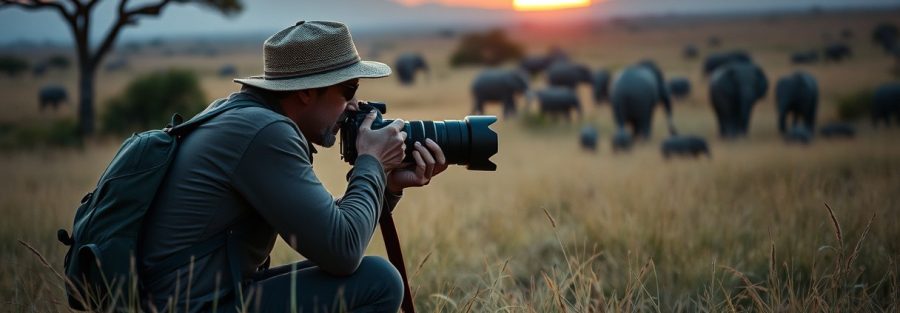
You do not need the most expensive camera to take great safari photos. A DSLR or mirrorless camera with a zoom lens between 200mm and 400mm is ideal for wildlife photography. Compact cameras with good zoom capabilities also work well for beginners.
Carrying extra batteries and memory cards is essential, as game drives can be long and photo opportunities frequent.
Understand your camera settings
Learning basic camera settings before your safari makes a huge difference. Use shutter priority or aperture priority mode to control motion and depth of field.
A fast shutter speed helps freeze moving animals, while a wider aperture creates beautiful background blur that highlights your subject.
Shoot during the best light hours
Early mornings and late afternoons provide the best lighting conditions for safari photography. The soft golden light enhances colors and reduces harsh shadows.
Midday sun can be challenging, so focus on resting animals, landscapes, or silhouettes during this time.
Focus on animal behavior, not just close-ups
Great safari photos tell a story. Instead of only zooming in, capture animals interacting, hunting, grazing, or caring for their young.
Observing behavior helps you anticipate movement and improves your chances of getting powerful and natural-looking shots.
Keep your camera ready at all times
Wildlife encounters happen quickly and without warning. Keep your camera switched on and settings adjusted while on game drives.
Having your camera ready allows you to react instantly when animals appear.
Use your vehicle as support
Safari vehicles offer excellent stability for photography. Use the vehicle frame, window edge, or a bean bag to steady your camera and reduce shake, especially when using long lenses.
Avoid leaning too far outside the vehicle and always follow your guide’s safety instructions.
Practice patience and take multiple shots
Wildlife photography requires patience. Animals may take time to move into better positions or lighting.
Taking multiple shots increases your chances of capturing the perfect moment, especially when animals are in motion.
Respect wildlife and follow ethical guidelines
Never pressure your guide to get too close to animals for photos. Ethical photography respects wildlife space and natural behavior.
Responsible photography results in more authentic images and supports conservation efforts.
Edit lightly for natural results
Simple editing adjustments such as brightness, contrast, and sharpness can enhance your photos. Avoid over-editing to keep images natural and true to the safari experience.
Safari photography with Jestar Travel
Jestar Travel offers beginner-friendly safari tours guided by experienced professionals who understand both wildlife behavior and photography opportunities. With expert guidance and well-planned game drives, travelers can confidently capture unforgettable safari memories.