Conservation-focused safari tours are becoming an essential part of modern travel in Africa. Beyond incredible wildlife sightings, these safaris play a critical role in protecting natural ecosystems, supporting local communities, and ensuring that future generations can continue to experience Africa’s rich biodiversity.
What are conservation-focused safari tours
Conservation-focused safari tours are designed to minimize environmental impact while actively contributing to wildlife protection and habitat preservation. These tours often partner with conservation organizations, community conservancies, and eco-friendly lodges to promote sustainable tourism practices.
Travelers on these safaris enjoy meaningful experiences while knowing their visit supports long-term conservation efforts.
Protecting wildlife and natural habitats
Wildlife conservation is at the heart of these safari experiences. Park fees, conservancy contributions, and responsible tourism practices help fund anti-poaching initiatives, wildlife monitoring, and habitat restoration projects.
In regions like Kenya and Tanzania, conservation-focused safaris directly support the survival of endangered species such as elephants, rhinos, and big cats.
Supporting local communities
Conservation-focused safaris also prioritize community involvement. Local guides, staff, and artisans benefit from employment opportunities created by sustainable tourism.
Many safari programs reinvest profits into education, healthcare, and community development projects, ensuring that local people benefit from wildlife conservation rather than being excluded from it.
Ethical and responsible wildlife encounters
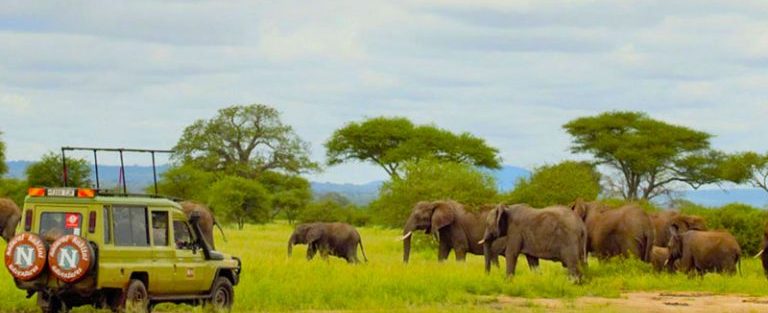
Unlike mass tourism, conservation-focused safaris limit vehicle numbers and follow strict wildlife viewing guidelines. This ensures animals are not stressed or disturbed, resulting in more natural and authentic sightings.
Responsible game drives also promote respect for wildlife behavior and natural ecosystems.
Eco-friendly accommodations and operations
Many conservation safari tours use eco-lodges and camps built with sustainability in mind. These accommodations rely on solar energy, water conservation systems, and waste reduction practices.
By choosing eco-conscious lodges, travelers reduce their environmental footprint while enjoying comfortable and immersive safari stays.
Educating travelers about conservation
A key benefit of conservation-focused safaris is education. Knowledgeable guides share insights about ecosystems, wildlife behavior, and conservation challenges facing East Africa.
This educational aspect helps travelers become more aware, responsible, and supportive of global conservation efforts even after their journey ends.
Why conservation matters for the future of safaris
Without conservation, Africa’s iconic wildlife and landscapes would face serious threats. Responsible safari tourism provides a sustainable solution by balancing travel experiences with environmental protection.
Conservation-focused safaris help ensure that wildlife tourism remains viable and ethical for years to come.
Conservation safaris with Jestar Travel
Jestar Travel is committed to responsible tourism by working with trusted partners who prioritize conservation and community engagement. From eco-friendly safari tours to locally guided experiences, every journey is designed to create a positive impact.