
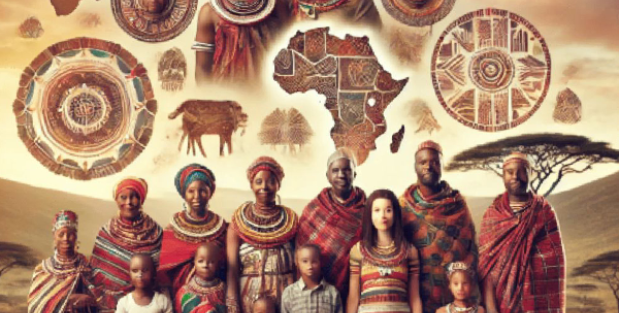
Kenya is a country with rich and diverse cultural heritage shaped by centuries of tradition, migration, trade, and modernization. From ancient tribal communities to today’s urban and digital society, Kenyan culture continues to evolve while still preserving strong roots in identity and tradition.
Understanding this evolution helps us appreciate how history, globalization, and innovation have shaped modern Kenyan life.
Pre-Colonial Kenyan culture
Before colonial influence, Kenya was home to many ethnic communities such as the Kikuyu, Luo, Luhya, Kalenjin, Maasai, and others. Each group had its own distinct culture, language, and way of life.
Key features
- Strong clan-based social structures
- Oral traditions, storytelling, and folklore
- Traditional religion and ancestral worship
- Barter trade systems between communities
- Livelihoods based on farming, livestock, hunting, and fishing
Culture was deeply rooted in community life and respect for elders.
Influence of Arab and Swahili trade
The Kenyan coast experienced strong influence from Arab traders and Persian settlers through Indian Ocean trade routes.
Key changes
- Emergence of the Swahili language (a blend of Bantu and Arabic influences)
- Spread of Islam along the coastal region
- Development of coastal city-states such as Lamu and Mombasa
- Introduction of new architecture, clothing styles, and cuisine
This period created a unique cultural blend known as Swahili culture, which still thrives today.
Colonial Era cultural transformation
During British colonial rule (late 1800s–1963), Kenyan culture experienced significant disruption and change.
Major impacts
- Introduction of Western education and Christianity
- Shift to cash crop farming and wage labor
- Growth of urban centers like Nairobi
- Suppression and alteration of some indigenous cultural practices
This era also led to resistance movements such as the Mau Mau uprising, which played a major role in Kenya’s fight for independence.
Post-Independence cultural identity
After independence in 1963, Kenya began rebuilding its national identity.
Key developments
- Promotion of unity among diverse ethnic groups
- Revival of traditional music, dance, and ceremonies
- Expansion of education and national media
- Celebration of cultural diversity as a national strength
Kenya embraced the idea of unity in diversity, encouraging national pride while respecting ethnic identities.
Modern Kenyan culture
Today, Kenyan culture is a dynamic blend of tradition and modern global influences.
Key characteristics
- Urban youth culture influenced by global trends
- Popular music genres such as Afrobeats, Gengetone, and gospel
- Rapid growth of the digital economy (“Silicon Savannah”)
- Fusion of traditional and modern fashion and cuisine
- Cultural festivals showcasing heritage and creativity
Technology and social media continue to reshape how culture is expressed and shared.
Preserving tradition in a changing world
Despite modernization, Kenya continues to preserve its cultural heritage through:
- Cultural festivals and museums
- Traditional ceremonies and rites of passage
- Language preservation initiatives
- Cultural tourism experiences
Communities continue balancing modern lifestyles with traditional identity.