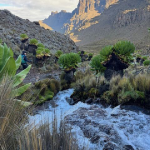
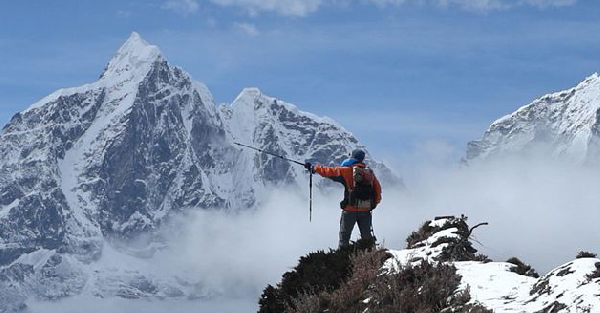
High-altitude hiking is one of the most rewarding outdoor adventures you can experience. From the rugged slopes of Mount Kenya to other elevated terrains across East Africa, these hikes offer breathtaking views, unique ecosystems, and a true sense of achievement.
However, hiking at high altitudes comes with its own challenges. Understanding what to expect and how to prepare can make the difference between an unforgettable adventure and a difficult experience.
What Is High-Altitude Hiking?
High-altitude hiking typically refers to trekking at elevations above 2,500 meters (8,200 feet). At these heights, oxygen levels decrease, making physical activity more demanding.
As you climb higher, your body needs time to adjust to the thinner air—a process known as acclimatization.
What to expect at high altitudes
- Reduced oxygen levels
At higher elevations, the air contains less oxygen. This can lead to:
- Shortness of breath
- Faster fatigue
- Reduced physical performance
Even experienced hikers may find the climb more challenging than expected.
- Altitude Sickness (AMS)
Acute Mountain Sickness (AMS) is common among hikers who ascend too quickly.
Common symptoms include:
- Headaches
- Nausea
- Dizziness
- Difficulty sleeping
Ignoring these symptoms can lead to more serious conditions, so it’s important to listen to your body.
- Rapid Weather Changes
Mountain weather can change quickly, even within hours.
You may experience:
- Sudden rain or fog
- Cold temperatures, even during the day
- Strong winds
Being prepared for unpredictable weather is essential.
- Physical and mental challenge
High-altitude hikes test both your body and your mindset. Slower progress, fatigue, and changing conditions require patience and determination.
How to prepare for high-altitude hiking
- Build your fitness gradually
Start training weeks in advance:
- Cardio exercises (running, cycling)
- Strength training (especially legs and core)
- Practice hikes on smaller trails
- Acclimatize properly
- Ascend slowly to allow your body to adjust
- Spend extra days at intermediate altitudes
- Follow the rule: “climb high, sleep low”
- Stay hydrated and eat well
- Drink plenty of water
- Eat high-energy foods (carbohydrates are especially important)
- Avoid alcohol and heavy meals before hiking
- Pack the right gear
Essential items include:
- Warm layered clothing
- Waterproof jacket
- Sturdy hiking boots
- Sunscreen and sunglasses (UV is stronger at high altitudes)
- First aid kit
- Know your limits
Don’t push yourself too hard. If symptoms of altitude sickness worsen, descend immediately.
Your safety always comes first.
6. Consider a guided hiking experience
Professional guides play a crucial role in high-altitude hiking:
- Monitor your health and pace
- Provide local knowledge and navigation
- Ensure safety throughout the journey
Best high-altitude hiking destinations in Kenya
If you’re ready to take on the challenge, consider:
- Mount Kenya – Africa’s second-highest peak
- Aberdare Ranges – Scenic highland trails
- Mount Elgon – A less crowded but equally stunning option
These destinations offer incredible landscapes and varying levels of difficulty for hikers.