
Kenya’s colonial past left behind a complex legacy reflected in architecture, railways, administrative buildings, and coastal forts. Exploring these colonial-era landmarks offers insight into how history shaped modern Kenya — socially, politically, and economically.
From railway museums to coastal forts, these historic sites tell stories of trade, resistance, governance, and cultural transformation.
1. Fort Jesus – A Coastal Stronghold
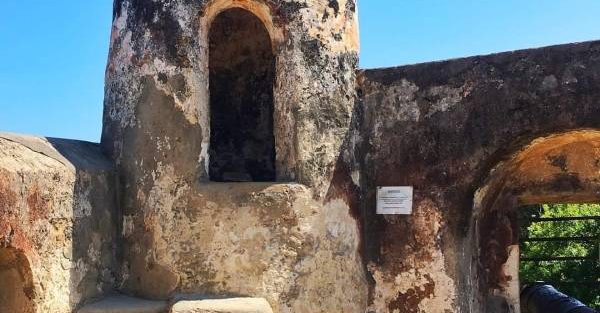
Located in Mombasa, Fort Jesus stands as one of the most iconic colonial-era structures in East Africa. Built by the Portuguese in the late 16th century and later controlled by Omani Arabs and the British, the fort played a major role in protecting trade routes along the Indian Ocean.
Today, it is a UNESCO World Heritage Site and a museum showcasing artifacts that trace centuries of coastal history.
2. Nairobi Railway Museum – The Story of the Uganda Railway
The construction of the Uganda Railway in the late 19th century significantly influenced Kenya’s development. The Nairobi Railway Museum preserves steam locomotives, photographs, and colonial records from that era.
The railway not only connected the coast to the interior but also led to the rapid growth of Nairobi as an administrative center.
3. Karen Blixen Museum – A Literary Legacy
Once the home of Danish author Karen Blixen, this colonial farmhouse at the foot of the Ngong Hills offers a glimpse into settler life in early 20th-century Kenya.
Blixen’s memoir Out of Africa captured the colonial lifestyle and interactions between European settlers and local communities, making the site both literary and historical.
4. Lamu Old Town – Blended Influences
Although older than the British colonial era, Lamu Old Town reflects centuries of foreign influence — including Portuguese and later British administration. Its narrow streets, coral stone houses, ;and carved wooden doors highlight a blend of Swahili, Arab, and European architectural styles.
This UNESCO-listed site represents Kenya’s layered history along the coast.
5. Thomson’s Falls – A Colonial-Era Landmark
Named after Scottish explorer Joseph Thomson in 1883, Thomson’s Falls became a popular scenic stop during the colonial period. It remains one of Kenya’s well-known historical natural attractions, symbolizing the era of early European exploration.
6. All Saints Cathedral – Colonial Religious Architecture
Built during British rule, All Saints Cathedral in Nairobi reflects Gothic architectural influence and stands as a reminder of missionary and colonial religious expansion.
Understanding the Legacy
Kenya’s colonial-era landmarks tell stories that are both difficult and transformative. While they represent a period of foreign rule, they also reveal the resilience of Kenyan communities and the foundations of modern cities, transport systems, and institutions.
Exploring these sites provides context to Kenya’s independence journey and its evolving national identity.