In a world where travel often revolves around luxury resorts and popular attractions, cultural immersion experiences in rural communities offer something far more meaningful — genuine human connection. These experiences allow travelers to step into the rhythm of local life, participate in age-old traditions, and contribute directly to community development.
Rather than observing culture from a distance, visitors become part of it.
What Is Cultural Immersion Tourism?
Cultural immersion tourism focuses on active participation in a community’s daily life. It emphasizes learning, respect, and sustainability. Travelers stay longer, engage deeper, and leave a positive impact.
Across East Africa, rural communities near destinations like the Maasai Mara and Amboseli National Park have embraced community-based tourism as a way to preserve heritage while generating income.
- Homestay Experiences: Living Like a Local
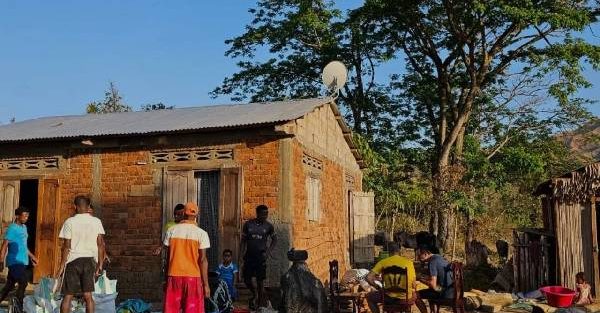
One of the most powerful ways to experience rural culture is through a homestay. Guests stay with local families, share meals, and participate in daily routines.
Activities may include:
- Cooking traditional meals over firewood
- Fetching water or gathering firewood
- Storytelling with elders
- Learning traditional etiquette and customs
These interactions create deep cultural understanding and lifelong memories.
- Traditional Crafts and Skills Workshops
Rural communities are rich in artistic heritage. Visitors can learn directly from local artisans through hands-on workshops.
Examples include:
- Maasai beadwork and jewelry making
- Basket weaving
- Pottery and clay molding
- Wood carving
In regions near Mount Kenya, travelers often participate in small-scale craft initiatives that empower women’s groups and youth artisans.
- Farming and Agricultural Participation
Agriculture forms the backbone of many rural economies. Immersion programs allow visitors to engage in:
- Tea or coffee harvesting
- Dairy farming
- Organic vegetable gardening
- Livestock herding
- Sustainable irrigation practices
This offers insight into food production systems and highlights the resilience of rural livelihoods.
- Cultural Performances and Community Ceremonies
Traditional music, dance, and festivals are vibrant expressions of identity. While some ceremonies are private, many communities organize respectful cultural demonstrations for visitors.
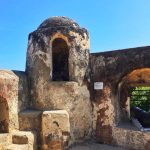
Along the coast in places like Lamu, travelers can explore Swahili heritage through poetry, dhow sailing traditions, and centuries-old architecture.
- Conservation and Community Projects
Many rural immersion experiences are closely tied to environmental sustainability. Near ecosystems like Lake Naivasha, visitors may participate in:
- Tree planting initiatives
- Wildlife education programs
- School support projects
- Water conservation activities
These programs ensure tourism benefits both people and the environment.
Why Choose Rural Cultural Immersion?
- Authentic Experiences
You move beyond tourist attractions and experience real village life.
- Direct Community Impact
Your spending supports families, schools, and local enterprises.
- Cultural Preservation
Communities are empowered to maintain traditions and pass knowledge to younger generations.
- Responsible Travel
This form of tourism promotes sustainability, cultural respect, and environmental awareness.