Planning a multi-day hiking trip requires more preparation than a simple day hike. Whether you’re trekking through mountain trails, forest paths, or remote landscapes, having the right gear ensures safety, comfort, and an enjoyable adventure.
From shelter and clothing to navigation tools and nutrition, here’s a complete guide to essential gear for multi-day hiking trips.
- Reliable Backpack
A durable hiking backpack is the foundation of your trip. Choose one with:
- 40–70L capacity (depending on trip length)
- Adjustable hip belt and shoulder straps
- Ventilated back support
- Multiple compartments for organization
A properly fitted pack prevents strain and improves balance on long treks.
- Quality Hiking Boots
Invest in sturdy, broken-in hiking boots with:
- Ankle support
- Waterproof or water-resistant material
- Good traction for varied terrain
Comfortable footwear reduces the risk of blisters and injuries during extended hikes.
- Weather-Appropriate Clothing
Layering is key for multi-day hikes.
- Moisture-wicking base layers
- Insulating mid-layer (fleece or lightweight down jacket)
- Waterproof outer shell
- Extra socks and quick-dry clothing
Always prepare for sudden weather changes, especially in mountainous regions.
- Tent or Shelter
For overnight stays, carry a lightweight, weather-resistant tent. Alternatives include:
- Bivy sacks
- Hammocks (in forested areas)
- Tarp shelters
Choose a shelter suitable for the terrain and climate of your destination.
- Sleeping Bag & Sleeping Pad
A good sleeping system improves recovery after long hiking days.
- Temperature-rated sleeping bag
- Compact sleeping pad for insulation and comfort
Quality rest helps maintain energy levels for the next day’s trek.
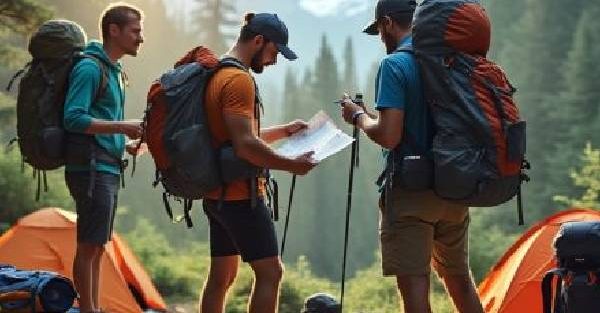
- Navigation Tools
Even if you rely on GPS, always carry:
- Physical map
- Compass
- Fully charged phone or GPS device
- Portable power bank
Navigation tools are critical for safety, especially in remote areas.
- Food & Water Supplies
For multi-day hiking trips, pack:
- Lightweight, high-calorie meals
- Energy bars and trail mix
- Reusable water bottles or hydration bladder
- Water purification tablets or portable filter
Proper hydration and nutrition are essential for endurance.
- First Aid Kit
A basic first aid kit should include:
- Bandages and blister treatment
- Antiseptic wipes
- Pain relievers
- Personal medication
Preparedness minimizes risks in case of minor injuries.
- Lighting & Emergency Gear
Always carry:
- Headlamp with extra batteries
- Emergency whistle
- Multi-tool or knife
- Lightweight rain cover
Being prepared for emergencies ensures peace of mind.
- Personal Essentials
Don’t forget:
- Sunscreen
- Sunglasses
- Hat
- Toiletries
- Biodegradable wet wipes
Small items can make a big difference in comfort over several days.