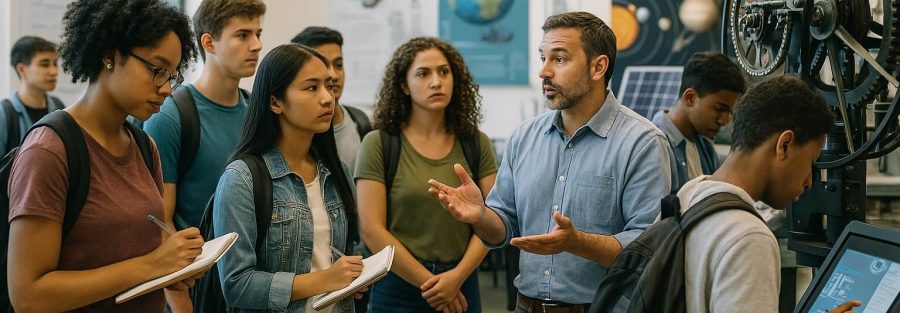
Educational tours for students and researchers are designed to go beyond traditional classroom learning. They provide hands-on exposure, field-based study, and direct interaction with cultures, ecosystems, and historical sites.
In East Africa, these tours offer rich opportunities for academic growth, research, and experiential learning.
Purpose-driven learning experiences
Educational tours are structured around clear learning objectives. They align with academic goals in fields such as:
History and archaeology
Environmental science and conservation
Anthropology and cultural studies
Geography and geology
Wildlife biology and ecology
This makes learning more engaging, practical, and memorable.
Fieldwork and real-world research exposure
For researchers and advanced students, educational tours provide access to real-world research environments.
Participants may engage in:
Data collection and observation
Site surveys and case studies
Wildlife tracking and monitoring
Cultural documentation and interviews
This practical exposure strengthens research skills and academic understanding.
Access to expert guides and local specialists
Educational tours are often led by knowledgeable guides, historians, conservationists, and community experts.
Their insights help students and researchers understand local contexts, interpret findings accurately, and gain perspectives that are not available through textbooks alone.
Learning through cultural immersion
Educational tours encourage cultural exchange and immersion. Students and researchers interact with local communities, visit schools or institutions, and learn through storytelling, traditions, and daily life experiences.
This deepens cultural awareness and global understanding.
Visits to key educational and heritage sites
East Africa offers a wide range of educational destinations, including:
Archaeological sites like Olduvai Gorge
Museums and cultural centers
National parks and conservancies
Historical towns and heritage landmarks
These sites provide direct learning environments connected to academic subjects.
Encouraging critical thinking and curiosity
Educational travel promotes inquiry-based learning. Participants are encouraged to ask questions, observe closely, analyze information, and reflect on their experiences.
This approach strengthens critical thinking and problem-solving skills.
Supporting academic collaboration and networking
Educational tours often bring together students, educators, researchers, and institutions. This creates opportunities for collaboration, knowledge sharing, and future academic partnerships.
Such connections are valuable for research development and career growth.
Safe and well-structured learning environments
Well-organized educational tours prioritize safety, clear itineraries, and appropriate supervision. This ensures that learning takes place in a secure and supportive environment.
Careful planning allows participants to focus fully on education and exploration.
Educational tours with Jestar Travel
Jestar Travel designs educational tours tailored for students, universities, schools, and research groups.
Their programs combine expert guidance, educational value, cultural sensitivity, and responsible travel practices to deliver meaningful learning experiences across East Africa.